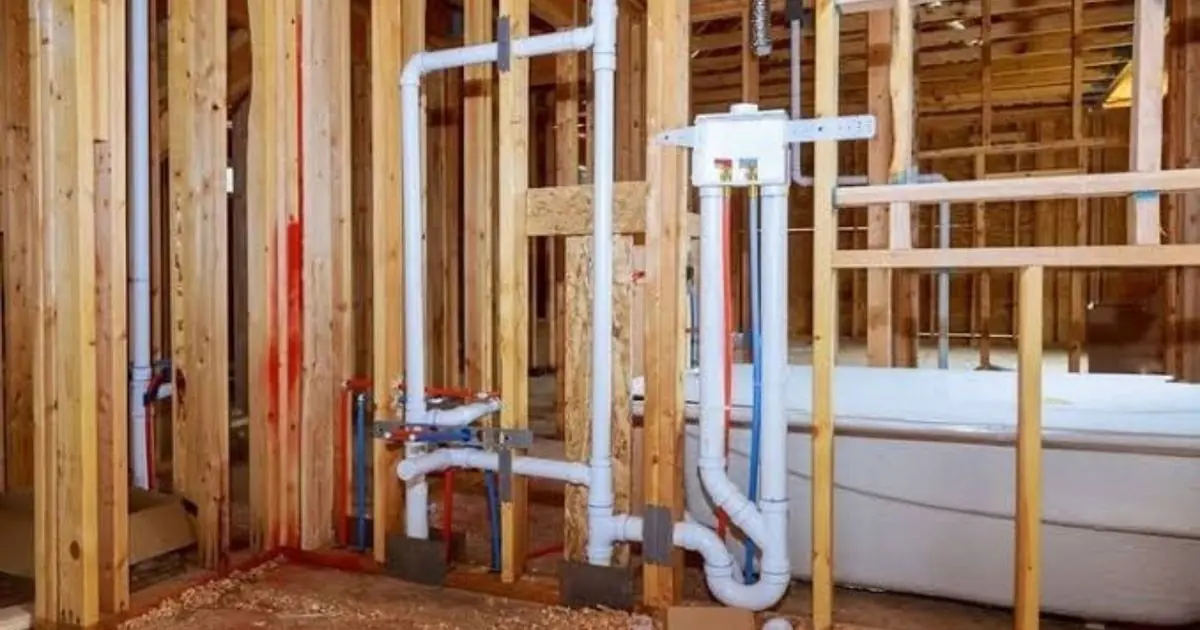
What your vent pipe does and why it stops working
Every drain in your home connects to a vent pipe that rises through the walls and ends in an open pipe above the roof. The vent lets air into the drain system behind each flush and each emptying sink. Without that air, water leaves slowly and the pull of a draining pipe can suck the water out of a p-trap, which is the curved section that holds a seal against sewer odor.
Vents stop working for plain reasons. Leaves and debris drop into the opening, birds and rodents build nests inside it, and wasps sometimes settle in the pipe. Less often a cracked or crushed section inside a wall cuts the airflow, and that kind of problem cannot be cleaned from the roof at all.
Because the opening is out of sight, most owners notice the effect before the cause. The drains tell you something is wrong, and the roof tells you why.
Blocked vent or blocked drain? How the signs differ
The two problems look alike from the sink, so it helps to compare what you see. Use this table as a first sort, not a final answer.
| What you notice | Often points to a vent | Often points to a drain line |
|---|---|---|
| Gurgling after a flush or while a tub empties | Air cannot get in, so water pulls air through the trap | Water is slowed by a partial blockage and pushes air back |
| Several fixtures slow at the same time | A shared vent is restricted | A shared branch or main line is restricted |
| Sewer smell in a bathroom | A trap seal pulled dry by poor venting | Waste sitting in a slow or backed-up line |
| One sink slow, everything else normal | Less likely | Usually a local clog at that fixture |
| Toilet bowl bubbles when another fixture drains | Possible vent restriction | Possible main line restriction |
| Water backs up into a floor drain or tub | Rare on its own | Common with a main line blockage |
When the signs fit the drain column, a drain cleaning visit is usually the faster fix.
A single slow fixture is almost never a vent problem. If it is, the same fixture usually also gurgles, and the sound is the clue worth acting on.
What Deerfield Beach homeowners should know
Hurricane season runs from June through November, and heavy summer rain with afternoon storms is common in South Florida. Wind drives leaves, palm fronds and other debris onto roofs, and some of it ends up in vent openings. A quick look from the yard after a big storm is worth the two minutes it takes.
Many homes and condos in Deerfield Beach are built on concrete slabs, so vent pipes often run through interior walls and are hard to reach from below. That makes the roof opening the main place to check, and it makes a camera visit the practical next step when the opening is clear.
In a condo building or a gated community such as Century Village, the roof and the vent stacks usually belong to the association. Ask your manager before anyone goes up, and tell us about the gurgling so we can coordinate the visit.
Cleaning the vent opening without taking risks on the roof
Start by looking, not climbing. Walk around the house and find the pipes that poke through the roof, often near the bathrooms and kitchen. Binoculars or a phone camera with zoom will show whether the opening is covered with leaves, a nest or a cap that has shifted.
If the opening is within reach from a stable, properly set ladder at the roof edge, you can pull debris out by hand with gloves and flush the pipe with a garden hose on a gentle setting. Stop if the roof is wet, steep, mossy or hot, or if you feel unsure about your footing. A clean vent is never worth a fall.
Flushing helps because it carries loose material down the pipe and into the drain, where the water also tells you something. If the water drains quickly, the vent is open. If it backs up and rises toward the opening, something is blocking the pipe below and you should stop and call us.
A careful sequence for checking a vent stack
Follow these steps in order, and stop at any point where the job feels unsafe. A plumber can finish what you start.
- 1
Confirm the symptoms
Run each fixture and listen for gurgling at the sinks, tub and toilets. Note which ones act up, because that tells you which vent line to look at.
- 2
Inspect from the ground
Find the roof pipes and look for debris, nests or a cap that has come loose. Many problems are visible from the yard.
- 3
Reach the opening only if it is safe
Use a stable ladder on firm, level ground and keep three points of contact. Do not step onto the roof if it is damp or sloped steeply.
- 4
Remove debris and flush
Pull out loose material by hand, then run a garden hose gently into the pipe while someone inside watches the drains and calls out what they see.
- 5
Retest the house
Run the fixtures again. If the gurgling stops and drains move normally, the job is done. If not, the block is deeper or the drain line itself needs attention.
When the vent is clear but the problem stays
A clean opening that changes nothing is useful information. It points toward a partial clog in a branch drain, a main line restriction or a damaged vent section inside a wall. Our drain cleaning service uses a cable machine or a jetter to clear the line, and if a camera is needed we can look inside before anything is cut open.
If a blocked or missing vent comes from older work, a new fixture or a remodel, the fix belongs with plumbing installation work done to the Florida Building Code, Plumbing. Permit rules vary, so ask the City of Deerfield Beach building department whether your change needs one.
Before you pick up the hose: a quick safety and sanity check
Run through this list. If you cannot tick every line, the safer move is to let a plumber do the roof work.
- The roof is dry Wet shingles and tile are slippery, and morning dew counts.
- You have a stable ladder It should sit on firm, level ground and extend past the roof edge.
- Someone knows where you are A second person should be present, not just nearby.
- No power lines are close Keep ladders and hoses well clear of overhead wires.
- You are comfortable with heights If you hesitate at the ladder, that is your answer.
- The weather is calm Skip the job if storms, wind or lightning are in the area.
Never use a plumber's snake from the roof in a way that forces it into a pipe you cannot see. It can jam, scratch the pipe or punch through a weak joint.
Plumbing vent questions from Deerfield Beach homeowners
The clearest sign is gurgling from a sink, tub or toilet right after another fixture drains. Slow drains in several rooms and a faint sewer smell can also point to it.
A single slow sink is usually a local clog, so look at the pattern before you climb anywhere.
Wait until the roof is fully dry and the weather is calm, since wet surfaces and loose storm debris make footing poor. Check from the ground first with binoculars, because most blockages are visible from the yard.
If you cannot see well or the roof is steep, a plumber can inspect it safely.
A restricted vent can make a toilet flush weakly or bubble, because air cannot replace the water leaving the bowl. A running toilet is normally a flapper or fill valve problem instead.
Our toilet repair work covers both, and we can tell which one you have.
Do not pour drain chemicals into a vent, and do not force a snake or wire into it. Chemicals can damage pipe and are dangerous to anyone working on the roof later.
Plain water from a garden hose is the safe tool for a DIY flush.
There is no set schedule, so check it after big storms, when you hear new gurgling or when you notice drains slowing together. A quick look from the ground costs nothing.
If you have trees overhanging the roof, check more often.
Yes, we dispatch from Deerfield Beach to nearby Broward County towns. See our Coconut Creek page and our service areas for details.
Tell us your street and ZIP when you call so we can confirm coverage.