New fixtures and rough-in for remodels
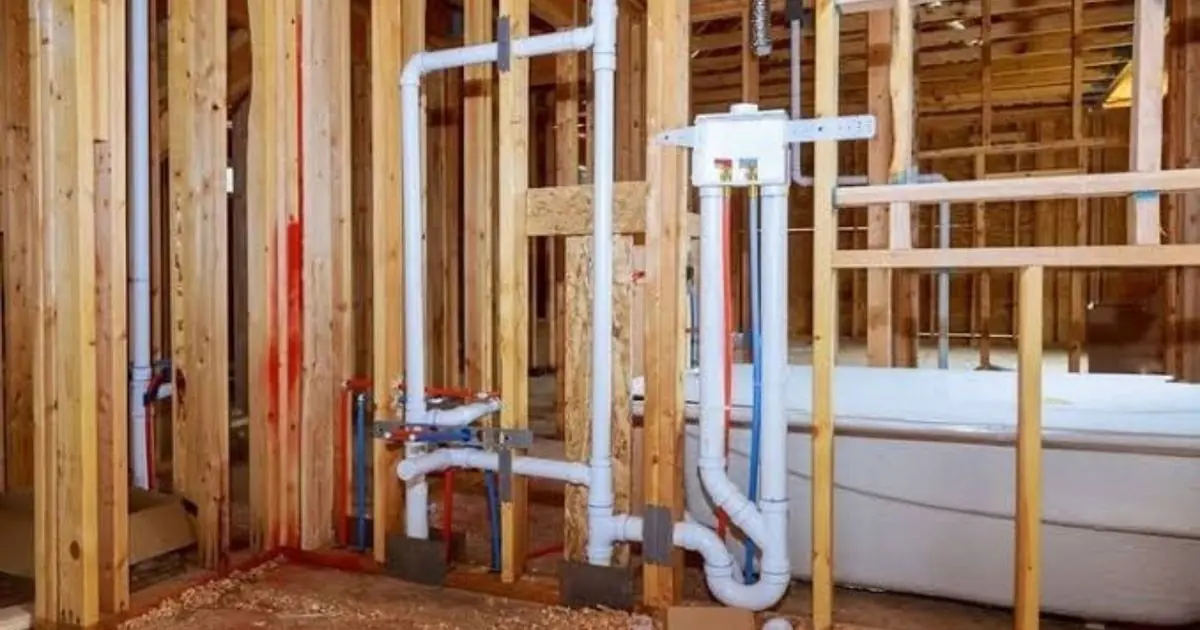
A remodel starts long before a faucet goes in. Rough-in is the stage where supply lines, drains and vents are placed inside walls and floors, and it fixes where every fixture can sit. Getting it right before drywall and tile go up saves expensive changes later.
We install sinks, lavatories, toilets, faucets, showers and tubs, and we move or add supply and drain lines to match a new layout. In slab homes, relocating a drain often means cutting the concrete, so we talk through the options early. Sometimes a small shift in the fixture position avoids breaking the floor.
Bring us your plans or a sketch, even a rough one. We check that the vents, drain slopes and supply routes can work with your design, and we flag problems before you order materials.
Bathtub or walk-in shower: what each install involves
Both are popular bathroom upgrades, and each has its own plumbing demands.
Bathtub installation
- Needs a drain, overflow and trap that match the tub
- Often sits on a support bed or frame
- Valve sits in the wall behind the tub
- Replacing in the same spot is simpler
- Heavy, so access to the room matters
Shower installation
- Needs a pan or base that slopes to the drain
- Valve and showerhead rough-in set the layout
- Waterproofing matters as much as plumbing
- Curbless designs need floor changes
- Often combined with tile and glass work
We handle the plumbing side, including valves, drains and traps. Tile, waterproof membranes and glass are separate trades, and we coordinate with them so the order of work stays clear.
Additions and new construction
A new bathroom, a garage apartment or a whole addition needs supply and drain lines connected to the existing system. We check that the existing main can handle the added fixtures and plan where new lines tie in. Because many local buildings sit on slabs, drains for new work often need trenching in the concrete.
Condo and HOA rules matter here. Shared stacks and walls often fall under building policy, so ask the association before any work that touches them. We can supply a plain-language scope of work to help you get approval.
Permit rules vary, so ask the City of Deerfield Beach building department what your project needs. Our work follows the Florida Building Code, Plumbing, and we explain each step as the job proceeds.
Kitchen, laundry and appliance connections
Appliance hookups look simple, but a poor connection is a common source of leaks. We cover these.
- Kitchen sink and faucet New supply lines, shut-off valves and a properly sloped trap and drain.
- Dishwasher A supply connection, a drain hose with a high loop or air gap, and a clean tie-in to the sink drain.
- Garbage disposal A mounted unit with a leak-free drain and, when the model requires it, a dishwasher knockout opened correctly.
- Washing machine A recessed box or valves, a standpipe at the right height and a trap that vents properly.
- Refrigerator ice and water line A small supply line with a shut-off, routed so it is protected from kinks and heat.
- Utility sink A drain, a trap and supply lines for a garage or laundry sink that stays out of the way.
If you would rather replace an existing disposal, our garbage disposal page covers that work.
Gas lines and gas appliance hookups
If you smell gas, leave the building first. Do not turn on lights or use a phone inside, and call the gas utility or 911 from outside before you call anyone else. Gas safety comes before everything on this page.
Gas piping is a separate specialty from water and drain work. If you need a gas line for a range, dryer or water heater, ask us on the call whether we can quote it, and we will tell you honestly whether it is something we do. We do not promise gas work we cannot take.
Pressure regulators and backflow devices
Two small devices protect your plumbing and the public water supply. Here is how each one fits.
| Device | What it does | When to ask us |
|---|---|---|
| Pressure regulator | Holds incoming water pressure to a steady level for fixtures and appliances | Fixtures bang, hoses burst or appliances show stress from high pressure |
| Pressure gauge | Shows the pressure at an outdoor tap | You want a quick check before and after a new regulator |
| Backflow preventer | Stops dirty water from flowing back into the supply | Irrigation, boilers or fire lines connect to your plumbing |
| Backflow device repair | Replaces worn parts or the full assembly | A device leaks, fails testing or is damaged |
| Thermal expansion tank | Absorbs pressure created when water heats up | A water heater is on a closed system with a backflow device |
Ask your water utility whether your property needs periodic backflow testing, and we can discuss device repair or replacement.
How a planned install moves from idea to finished fixture
Planned work follows a predictable path. Knowing it helps you schedule other trades.
- 1
Walk the space
We look at where the fixtures go, where existing lines run and what the walls or floor are made of.
- 2
Agree the scope and price
We write out what is included and give a clear price before work starts.
- 3
Rough-in the lines
We set supply, drain and vent lines, then pressure test the water side and check drain slope.
- 4
Inspect and close up
Where an inspection applies, it happens before walls are closed. Ask the City of Deerfield Beach building department about your project.
- 5
Set fixtures and test
We install the fixtures, open the water, check for leaks and run each drain.
What affects the price of a plumbing installation
Installs vary from one fixture swap to a full bathroom, so the price depends on the job. We give a clear price before work starts, and these factors shape it.
Planned installs are not usually covered by insurance, since they are upgrades and not repairs. If a failed fixture caused water damage, that can be a different question, so check your policy.
If you are installing as part of a larger remodel, ask your contractor how plumbing is billed so there are no surprises.
Want your real number? Call us and describe the job.
(561) 448-8545Installation questions from Deerfield Beach property owners
Yes, in many cases. Bring the model details, and we check that it fits the space and the supply and drain connections before we start.
Ask us before you buy, because a mismatch in rough-in size can cause delays.
Permit rules vary, so ask the City of Deerfield Beach building department about your project. We follow the Florida Building Code, Plumbing, and can explain what our work involves.
For condos, the association may also require approval before work starts.
Gas work is a separate specialty. Ask us on the call whether we can quote it, and we will say so honestly. If you smell gas, leave the building and call the gas utility or 911 before anyone else.
For appliance hookups that involve water, we can help directly.
Ask your water utility whether your property needs periodic backflow testing. Irrigation systems and some commercial connections are common cases.
We can discuss repair or replacement of the device if it leaks or fails.
Yes, though it often means cutting the concrete to run new drain lines. We explain the trade-offs and look for layouts that limit the demolition.
If an underlying leak is suspected in the slab, our slab leak repair page explains how we handle that.
Yes, and we handle planned installs separately. See our water heater installation page for the process.
If your tank has failed, our water heater replacement page covers that situation.
Yes, we dispatch from Deerfield Beach to nearby Broward County towns. Our Coconut Creek page explains how service works there, and our service areas page lists others.
Give us your street and ZIP when you call so we can confirm coverage.