Why one slab leak is not priced like another
A slab leak is a leak in a pressurized water line that runs under or inside the concrete floor. Because the pipe is buried, the first cost is simply finding it, and the second is deciding how to fix it with the least damage to the home.
Two homes with the same symptom can end up with very different bills. In one, the leak sits under a tiled hallway and a single section can be reached through a small opening. In another, the line has pinholes in several places and the better answer is to reroute it through the walls or attic.
That is why we tend to avoid quoting over the phone. A reliable number comes after the leak is located, the pipe condition is understood and the plan is clear.
The main things that move the price
These factors show up in almost every slab leak quote.
Finding the leak
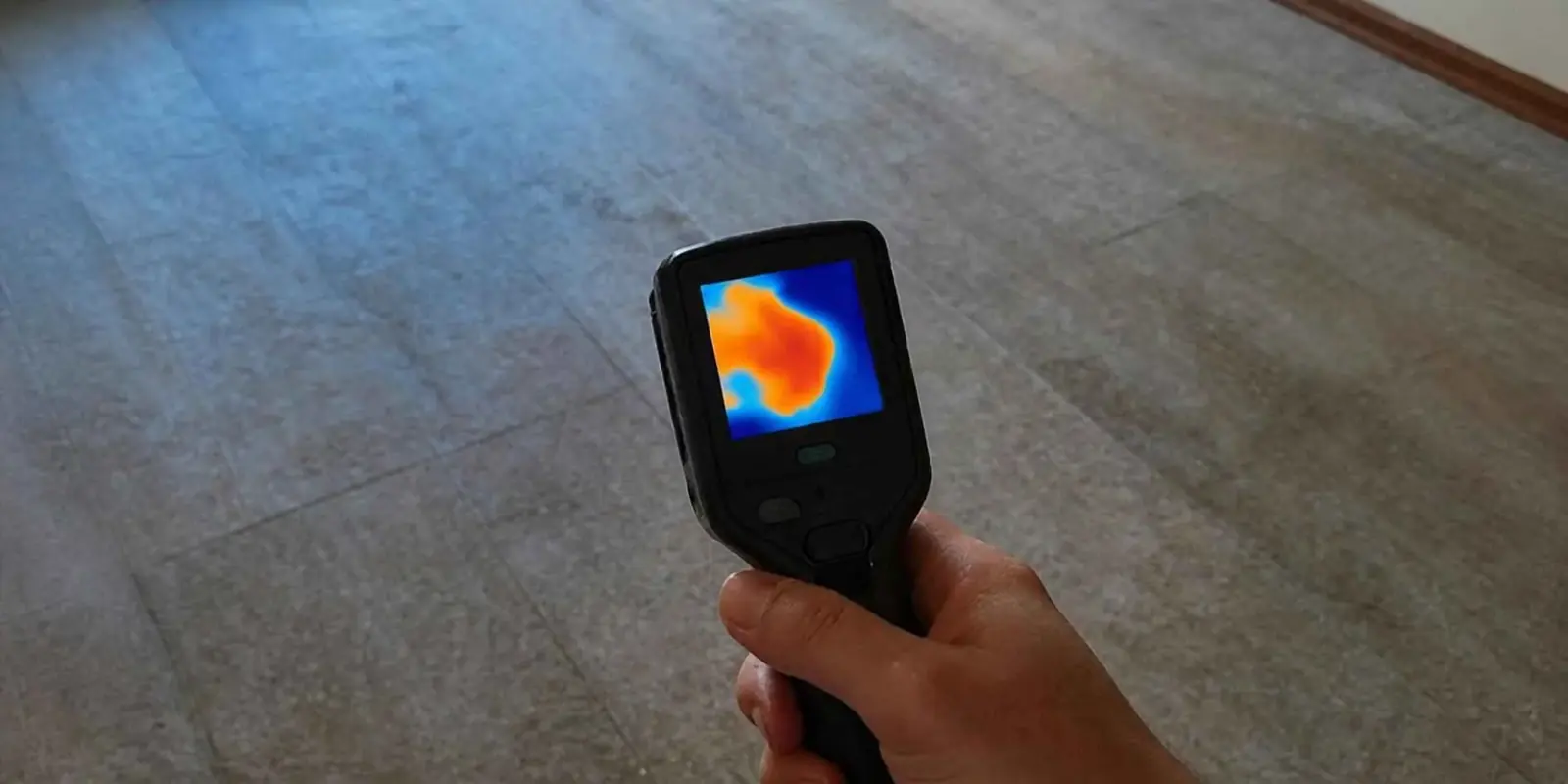
Detection with listening gear, thermal imaging and pressure isolation takes time and equipment. A leak that is easy to locate costs less than one that requires several tests.
Access and depth
Opening a slab means cutting through flooring and concrete. Tile, wood or carpet over the area changes how much finish work follows.
Repair method
Spot repair, rerouting overhead and repiping all differ in labor, materials and disruption. The method should fit the pipe, not the sales goal.
Pipe condition
If the line shows wear in other places, a patch may leak again soon. A line in poor shape pushes the discussion toward a larger fix.
Size of the home and layout
Longer runs, multiple bathrooms and tight walls mean more pipe, more access points and more time.
Slab leak repair options and what shapes their cost
Here is how the three common approaches compare. Cost figures are not given because they depend on your home, but the drivers are consistent.
| Option | What it involves | What drives the price |
|---|---|---|
| Spot repair through the slab | Cut the slab at the leak and replace a section | Depth, floor finish, how many spots are bad |
| Reroute the line overhead | Abandon the slab line and run new pipe through walls or attic | Length of the run, wall access, drywall and paint after |
| Repipe the affected lines or the home | Replace failing pipe with new material | Number of fixtures, pipe material, how many walls are opened |
| Pressure test and monitor | Confirm the leak and track it before deciding | Time on site, equipment, repeat testing |
| Surface restoration | Patch slab and replace tile, wood or carpet | Finish matching, flooring type, drying time |
Restoration is usually a separate trade and a separate line on the bill.
Spot repair is the least invasive when only one spot is bad. Rerouting often makes sense when slab access would damage expensive flooring or when more than one leak is likely.
What Deerfield Beach homeowners should know
Many homes and condos in Deerfield Beach are built on concrete slabs, so slab leaks are a real possibility across the area. Salt air near the coast, around Main Beach and The Cove, can speed up corrosion on exposed fittings, which is worth keeping in mind when you evaluate pipe condition.
Condo owners often cannot make changes without approval, and an association may control access to shared walls, the floor below and any rerouted line. Ask your manager for the rules before you schedule work, and tell us what they say so the job fits them.
The city also publishes a service-line material inventory, so if the leak sits on the line from the meter to the building, check what material your line is. That tells you whether the problem is under the slab or in the yard.
How a slab leak job moves from first call to finished repair
Understanding the sequence helps you see where each charge comes from.
- 1
Confirm the signs
We ask about warm floor spots, running water sounds, high bills and wet flooring. A meter test with everything off confirms water is leaving the system.
- 2
Locate the leak
We use acoustic listening, thermal imaging and pressure isolation to narrow the leak to a small area before any cutting begins.
- 3
Review the options
We explain spot repair, rerouting and repiping, with the trade-offs of each, so you can choose with a clear picture.
- 4
Complete the repair
We shut off the water, open the chosen access, replace the failed section or run the new line, and pressure test the result.
- 5
Close up and plan restoration
We restore the opening we made as far as the job allows and talk through flooring, drying and any follow-up trades.
What a good slab leak quote should include
A written quote should name how the leak was found, where it is and what method is proposed. It should say what pipe and fittings will be used and whether the work includes a pressure test. If a quote only gives a total with no scope, ask for more detail.
It should also state what is not included. Concrete patching, flooring replacement, painting, drywall and mold remediation are often separate scopes. Knowing that in advance prevents a surprise later.
Compare quotes on method and scope, not just the total. A lower number that skips detection or leaves out restoration is not really lower. Our slab leak repair visit starts with a located leak and a plain explanation of the options. If you only suspect a leak, leak detection can confirm it first, and if the pipes are failing broadly we can talk through repiping honestly.
Insurance is part of the cost picture. Homeowner policies often cover sudden and accidental water damage and sometimes the cost of reaching the pipe, but usually not the repair of the worn pipe itself or a gradual leak. Check your policy and call your insurer before major work begins.
Suspect a slab leak?
Call (561) 448-8545 and describe warm spots, running sounds or a high bill. We will help you decide the next step.
Slab leak cost questions from Deerfield Beach homeowners
Often yes, but it depends on your association rules and where the pipe sits. Lines serving only your unit are often your responsibility, while shared stacks and floors below may fall under building policy.
Ask the association before work begins, because they may require notice, approval or coordination with neighbors.
Common signs include warm spots on the floor, the sound of running water when nothing is on, wet carpet or lifting tile, and a high water bill. A water meter that moves with everything off supports the case.
Only a located leak confirms it, so detection should come first.
Policies differ, but they often cover sudden and accidental water damage and may help with access costs. They usually do not pay to replace the worn pipe itself.
Check your policy and keep photos, receipts and a written report of what was found.
Not always. Rerouting avoids concrete work and can suit homes with several weak spots, but it opens walls or ceilings. Spot repair keeps the existing line when the pipe is otherwise sound.
We explain both and recommend the one that fits your pipe.
They may be proposing different methods or scopes, or one may leave out detection and restoration. Compare what is included, not just the total.
Ask each plumber to name the method, the access plan and what finish work is excluded.
Yes, we dispatch from Deerfield Beach to nearby Broward County towns. See our Coconut Creek page and our service areas for coverage.
Give us your street and ZIP when you call to confirm.